automaty do gier na pieniądze — poradnik dla graczy 2026
automaty do gier na pieniądze w 2026 roku to zdecydowanie jedna z najchętniej wybieranych rozrywek w kasynach online. Dynamiczny rozwój technologii sprawia, że producenci prześcigają się w tworzeniu coraz bardziej immersyjnych tytułów.
egt slot — topowe tytuły od liderów | egt slot
Dzięki temu gracze mogą liczyć nie tylko na klasyczne bębny, ale także na innowacyjne mechaniki, które podnoszą emocje. W tym artykule przyjrzymy się najważniejszym trendom oraz temu, jak wybrać automaty na pieniądze owoce odpowiedni dla siebie.
kasyno ruletka 2026 — kasyno ruletka wirtualne
kasyno depozyt 5 zł skrill 2026 — proces wypłaty krok po kroku
Zobacz też:
- Rozpocznij przygodę z automaty na pieniądze owoce już dziś
- Przewodnik po grze w sloty: automaty hazardowe na pieniądze
- Warunki Bonusowe dla Graczy Slotów
- Wizualizacja automaty do gier na pieniądze
- Czym jest automaty na pieniądze online i jak działa?
- Gdzie szukać pomocy przy problemach z hazardem – przewodnik
Rozpocznij przygodę z automaty na pieniądze owoce już dziś
The concept of purchasing a bonus is a nuanced transaction that extends far beyond a simple exchange of currency for an additional benefit. In the realm of consumer economics, a bonus is typically a value-added incentive designed to entice a purchase, reward loyalty, or differentiate a product from its competitors. When a consumer decides to buy a bonus, they are not merely acquiring an extra item or service; they are engaging in a calculated decision that weighs the perceived utility of the bonus against its cost, often within the context of a larger primary purchase. This phenomenon is particularly prevalent in industries such as retail, where buy-one-get-one-free offers, gift-with-purchase promotions, and loyalty point multipliers are common tactics. For instance, a cosmetics brand might offer a deluxe sample kit as a bonus for spending over a certain threshold, and the consumer who chooses to buy that bonus—either by increasing their cart size or paying a nominal fee—is making a strategic choice to maximize their overall satisfaction. The psychology behind this is fascinating: the bonus creates a sense of urgency and exclusivity, tapping into the fear of missing out (FOMO) and the desire for a good deal. Behavioral economists have studied how the framing of a bonus can alter its perceived value; a bonus that is presented as a limited-time offer or a member-exclusive perk often carries more weight than a perpetual add-on. Moreover, the decision to buy a bonus involves a trade-off analysis, where the consumer must consider opportunity costs—what else could that money buy? For example, a gamer might purchase a season pass that includes bonus in-game content, weighing the hours of entertainment against the price, while a frequent flyer might buy a lounge access bonus that enhances their travel experience. In the digital age, buying bonuses has become even more complex, with microtransactions in mobile games, premium subscription tiers with bonus features, and crowdfunding campaigns that offer tiered bonuses as rewards. Each of these scenarios requires a different evaluation framework. In gaming, a bonus might be a rare character skin that has no gameplay advantage but offers social status, whereas in finance, a bonus could be a higher interest rate on a savings account that provides tangible monetary returns. The act of buying a bonus also has implications for the seller; it allows businesses to segment their customer base, identify high-value consumers, and cultivate brand advocates. From a legal standpoint, buying a bonus often involves terms and conditions that govern its use, expiration, and transferability, adding a layer of complexity that consumers must navigate. For instance, a bonus offered as a gift card might have a limited validity period, or a bonus subscription might auto-renew at full price unless canceled. Understanding these nuances is crucial for consumers to avoid disappointment or hidden costs. Furthermore, the cultural context influences how bonuses are perceived; in some societies, haggling for a bonus is customary, while in others, it is seen as pushy. The rise of e-commerce has also introduced dynamic pricing and personalized bonuses, where the same product might have a different bonus based on the user’s browsing history or purchase patterns. This personalization can be both beneficial and concerning, as it raises questions about data privacy and fairness. Ultimately, buying a bonus is a microcosm of consumer behavior, reflecting broader trends in marketing, psychology, and technology. It is not just about the extra item; it is about the relationship between the buyer and the seller, the perceived value, and the emotional satisfaction of getting more for one’s money. Whether it is a free shipping threshold, a buy-one-get-one-half-off deal, or a bonus reward point multiplier, the decision to buy a bonus is a deliberate act that can enhance the overall purchase experience. However, it also requires a level of mindfulness, as not all bonuses are created equal. Some bonuses may be low-quality or irrelevant, leading to buyer’s remorse. Therefore, savvy consumers often research the bonus’s actual value, read reviews, and compare alternatives before committing. In conclusion, buying a bonus is a multifaceted decision that involves financial reasoning, psychological triggers, and strategic planning. It is a practice that is deeply embedded in modern commerce, and its significance cannot be overstated. As markets evolve and new forms of bonuses emerge—such as exclusive access to beta tests, limited-edition merchandise, or carbon offset credits—the concept of buying a bonus will continue to adapt, offering both opportunities and challenges for consumers and businesses alike. The next time you consider buying a bonus, remember that you are participating in a sophisticated dance of value creation and consumption, where every extra perk has a story, a cost, and a potential payoff that goes beyond the surface. To illustrate, consider a coffee shop that offers a loyalty card where the tenth purchase is free; the consumer who buys that bonus by purchasing nine coffees is not just paying for caffeine but investing in a future reward that fosters habit formation and brand attachment. Similarly, in the travel industry, a hotel might offer a room upgrade as a bonus for booking directly, and the traveler who buys that bonus by forgoing third-party discounts is choosing a more personalized experience over immediate savings. In the software sector, users often buy premium tiers that include bonus storage or advanced analytics, and the decision hinges on whether the extra features justify the recurring cost. Even in everyday grocery shopping, a buy-one-get-one-free bonus on a perishable item might lead to waste if the consumer cannot consume it in time, highlighting the need for practical consideration. The interplay between bonus design and consumer decision-making is also influenced by social proof; when a bonus is perceived as popular or endorsed by influencers, its appeal increases, as seen in limited-edition sneaker drops that include exclusive accessories.
Przewodnik po grze w sloty: automaty hazardowe na pieniądze
automaty do gier na pieniądze regularnie aktualizuje swoją bibliotekę gier o nowe tytuły.
lotto kontakt e-mail — nasza rekomendacja | lotto kontakt e-mail
Warunki Bonusowe dla Graczy Slotów
- bonus zł2000
- 300 spinów
- 100 spinów bez depozytu
- 50x playthrough
- Wymagany obrót 25x
Wizualizacja automaty do gier na pieniądze
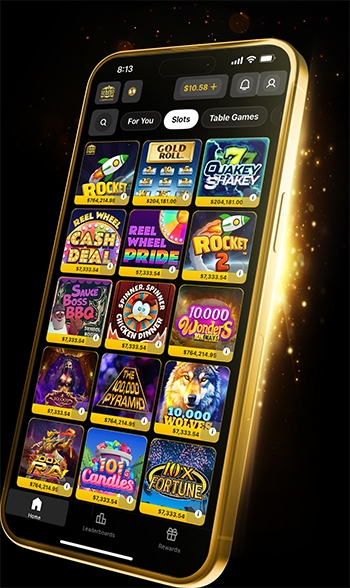
najszybciej wypłacalne kasyna 2026 — sprawdzone metody wygranej
Czym jest automaty na pieniądze online i jak działa?
Czym są bębny i linie wypłat w automatach online?
Bębny to pionowe sekcje symboli, które obracają się po każdym zakręceniu, a linie wypłat to wzory, wzdłuż których symbole muszą się ułożyć, aby utworzyć wygrywającą kombinację. Większość nowoczesnych slotów ma 5 bębnów i od 10 do 50 linii wypłat, ale niektóre oferują mechanikę „ways to win” (np. 243 sposoby), gdzie wygrywasz za dopasowanie symboli na sąsiednich bębnach od lewej do prawej.
Co oznacza zmienność (volatility) w slotach?
Zmienność określa poziom ryzyka i częstotliwość wypłat w danej grze. Niska zmienność daje częste, ale mniejsze wygrane, natomiast wysoka zmienność zapewnia rzadsze, ale potencjalnie większe nagrody – wybierz ją w zależności od swojego stylu gry i budżetu.
Jak obliczany jest RTP i dlaczego jest ważny?
RTP (Return to Player) to teoretyczny procent zwrotu dla gracza, np. 96% oznacza, że z każdych 100 zł postawionych w długim okresie gra oddaje średnio 96 zł. Jest to wskaźnik matematyczny, który pomaga porównać opłacalność różnych slotów, ale pamiętaj, że nie gwarantuje wyników w krótkiej perspektywie.
Czym są funkcje bonusowe i jackpoty w automatach?
Funkcje bonusowe to dodatkowe elementy gry, takie jak darmowe spiny, mnożniki, symbole Wild i Scatter, które zwiększają szanse na wygraną lub wprowadzają mini-gry. Jackpoty to nagrody kumulujące się z każdego zakładu – mogą być stałe (ustalona kwota) lub progresywne (rosnące do momentu wygrania), a te ostatnie często osiągają miliony złotych.
Jak wybrać odpowiedni slot i czy dostawca oprogramowania ma znaczenie?
Wybierając slot, zwróć uwagę na jego RTP, zmienność, motyw i funkcje bonusowe – najlepiej przetestuj wersję demo. Dostawcy oprogramowania (np. NetEnt, Play’n GO, Pragmatic Play) różnią się jakością grafiki, innowacyjnością i uczciwością, ale zawsze wybieraj gry od licencjonowanych producentów, aby mieć pewność uczciwych wyników.
automaty do gier na pieniądze oferuje darmowe spiny bez konieczności wpłacania depozytu.
Gdzie szukać pomocy przy problemach z hazardem – przewodnik
Hazard to wyłącznie rozrywka dla dorosłych — pamiętaj, że w Polsce gry hazardowe są dozwolone tylko dla osób, które ukończyły 18 lat. Jeśli decydujesz się na grę, zawsze korzystaj z legalnych platform, które podlegają nadzorowi polskiego regulatora, jakim jest Ministerstwo Finansów. W przypadku potrzeby ograniczenia gry, możesz skorzystać z systemu samowykluczenia oferowanego przez operatorów, a także z bezpłatnej pomocy telefonicznej — Ogólnopolskiego Telefonu Zaufania dla Osób Dotkniętych Problemem Hazardu (801 889 880). Ustalaj limity czasu i depozytów, graj wyłącznie dla przyjemności i nigdy nie próbuj odgrywać strat — odpowiedzialna gra to zdrowa gra.